

Insulin is a hormone released by the pancreas that is responsible for regulating your blood sugar (glucose) levels. The term “Insulin sensitivity” refers to how effectively your body can use insulin to transport glucose from your bloodstream into your cells. When your insulin sensitivity is low, your body may struggle to regulate your blood sugar levels, which can lead to serious health problems like type 2 diabetes, heart disease, and obesity, as well as causing mood swings and anxiety.
Fortunately, there are ways to improve your insulin sensitivity through diet and supplements.
Cut back on processed foods
One of the most effective ways to improve your insulin sensitivity is to reduce your intake of processed foods. These foods are often high in sugar, refined carbohydrates, and unhealthy fats, all of which can cause your blood sugar levels to spike and crash. Instead, focus on eating whole, unprocessed foods that are rich in fiber, protein, and healthy fats.

Eat more fiber
Fiber is a type of carbohydrate that your body can’t digest. It passes through your digestive system largely intact, helping to slow down the absorption of glucose into your bloodstream. This can help to keep your blood sugar levels stable and improve your insulin sensitivity over time. Good sources of fiber include fruits, vegetables, whole grains, and legumes. I also like to supplement with psyllium husk in my morning green smoothie.
Consume healthy fats
Healthy fats, like those found in olive oil, avocado, nuts, and seeds, can also help to improve your insulin sensitivity. These foods help to reduce inflammation in your body, which can interfere with insulin signaling. Additionally, consuming healthy fats can help to slow down the absorption of glucose into your bloodstream, which can help to keep your blood sugar levels stable.
Supplement with magnesium
Magnesium is an essential mineral that plays a key role in regulating your insulin sensitivity. Research has shown that supplementing with magnesium can help to improve insulin sensitivity in people with type 2 diabetes and metabolic syndrome. Good dietary sources of magnesium include leafy green vegetables, nuts, seeds, and whole grains.
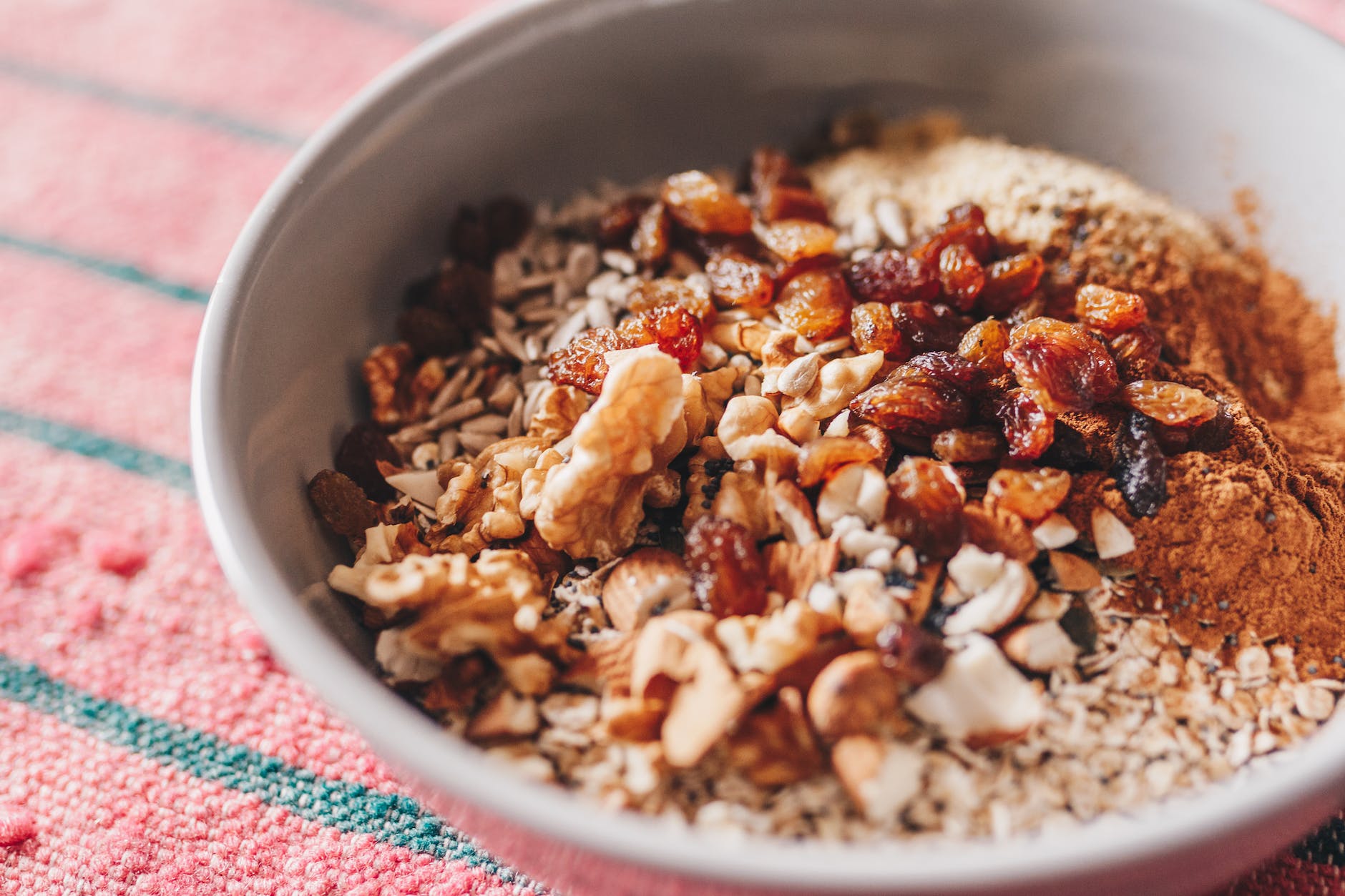
Cinnamon may mimic the effects of insulin
Cinnamon contains compounds called polyphenols, which have been shown to mimic the effects of insulin in the body. A type of polyphenol found in cinnamon called methylhydroxy chalcone polymer (MHCP) can activate insulin receptors, which can help to improve insulin sensitivity.
Cinnamon is also anti-inflammatory. Chronic inflammation has been linked to insulin resistance, and cinnamon has been shown to have anti-inflammatory properties. One study found that taking cinnamon supplements for 12 weeks reduced markers of inflammation in people with prediabetes, which may have contributed to improvements in insulin sensitivity. Adding a teaspoon of cinnamon to your morning coffee or smoothie can provide you with a tasty way to incorporate cinnamon to your diet.
Consider supplementing with chromium
Chromium is another mineral that may help to improve insulin sensitivity. It works by enhancing the action of insulin, which can help to reduce your blood sugar levels. Some studies have found that chromium supplementation may be particularly beneficial for people with type 2 diabetes. Good dietary sources of chromium include broccoli, green beans, nuts, and whole grains.
Get enough sleep
Finally, getting enough sleep is essential for maintaining healthy insulin sensitivity. When you’re sleep-deprived, your body produces more of the stress hormone cortisol, which can interfere with insulin signaling. Additionally, sleep deprivation can disrupt the balance of hormones that regulate hunger and satiety, which can lead to overeating and weight gain. Aim for at least 7-8 hours of sleep per night to support your body’s insulin sensitivity.
Improving your insulin sensitivity is an important step towards maintaining optimal health. By making simple changes to your diet and lifestyle, you can support your body’s ability to regulate your blood sugar levels and reduce your risk of chronic disease. Try incorporating these strategies into your daily routine and see how they can help you feel your best.
 Cognition Nutrition